
Sustainable Building Design: Why It’s So Necessary
In many cities around the world, sustainable buildings can be found, aiming to reduce the consumption of natural resources such as raw materials, energy, and water. To ensure these buildings meet sustainability principles, specialists in sustainable building design are essential.
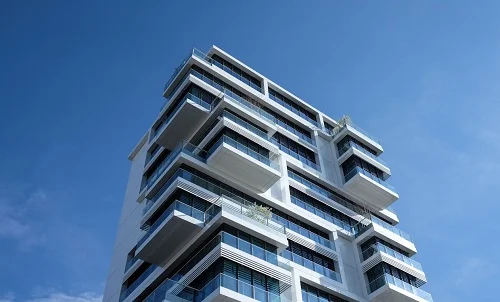
What is Sustainable Building Design?
Sustainable building design takes a holistic and comprehensive approach to achieve its goals. These include improving the quality of life for those within the buildings and, of course, reducing their environmental impact. As a result, each green building contributes to addressing urbanization challenges and climate change.
Sustainable building design and construction is also being used to promote the efficient use of available space in urban environments. To achieve these goals, sustainable architecture focuses on the flexibility and adaptability of the facilities.
One of the keys to sustainable design is the application of strategies that help reduce energy consumption, conserve water, and utilize other resources effectively. Below, we discuss some of the strategies that have proven to be the most efficient in this area:
- Low-Consumption lighting systems and natural lighting: In the design of green buildings, ensuring adequate natural light entry is a priority. Additionally, implementing low-consumption lighting systems is essential to minimize the reliance on artificial lighting.
- Solar Control and Natural Ventilation: These aspects enable buildings to take full advantage of the climatic conditions in their respective locations. This strategy involves using windows and other openings to allow fresh air to enter and circulate properly throughout the building.
- Thermal Insulation: When successfully implemented, thermal insulation reduces the need for climate control systems, such as air conditioning. Effective building designs help minimize excess heat during the summer and prevent heat loss in the winter, ensuring a more energy-efficient environment.
- Renewable Energy: Among the most commonly used in sustainable buildings are solar panels, geothermal systems, and wind turbines. These technologies are essential for minimizing the carbon emissions associated with a building, contributing to a greener and more sustainable environment.
What are the principles of sustainable building design?
Architects and construction companies focused on this design area must ensure that they apply the appropriate design principles. This is how buildings achieve the goals of natural resource optimization and waste reduction.
The fundamental principles of this type of design are as follows:
Improving Indoor Environmental Quality
It is essential that sustainable building design ensures the productivity and comfort of its occupants. To achieve this, the building must have natural ventilation, adequate natural light, and controlled humidity levels.
Site Optimization
The location and its characteristics significantly impact a building’s sustainability. Therefore, it’s important to carefully select the site, considering not only the location but also the landscape, the building’s orientation, and the parking areas included.
Material Optimization
The environmental impact of building construction is also influenced by the materials used. It is fundamental to minimize the use of natural resources in the design phase and promote the use of sustainable materials, such as bio-concrete.
Operational Optimization
This principle includes the characteristics that a green building should meet throughout its lifecycle. These include minimal maintenance needs, waste reduction, and the use of less energy and water.
Water Conservation
Regardless of the building type, its construction alters the land’s hydrological function. Therefore, when designing a building, it is essential to consider its impact on the land and how to mitigate any negative effects.
Energy Efficiency
Sustainability is closely linked to energy independence, which is crucial for achieving sustainability. Therefore, sustainable design must incorporate energy-efficient sources that also contribute to environmental conservation.
It is important to note that energy efficiency can be implemented in both existing buildings and those designed to be sustainable from the outset. In both cases, long-term efficiency in energy use must be ensured.
What are the 7 essential elements for sustainable building design?
The design principles are complemented by certain elements that must be present in sustainable buildings. When these are met, it is possible to enjoy the benefits offered by such structures. The essential elements required for sustainable buildings are:
- Durability and Maintenance
- Adaptive and Flexible Design
- Indoor Environmental Quality
- Resource Conservation
- Participation and Education
- Integration with the Environment
- Energy Efficiency.
Why is sustainable building design important?
The primary reason sustainable building design is so important is that it is closely related to climate change and sustainable economic development. In the first case, buildings are among the major contributors to energy consumption and greenhouse gas emissions.
For these reasons, it is crucial that both existing buildings and new constructions implement designs that reduce their environmental impact. On the other hand, sustainable architecture fosters a positive culture that respects the environment and supports sustainable economic development.
One way in which this type of architecture contributes to economic development is by creating jobs. In conclusion, due to its numerous benefits, it is expected that sustainable architecture will be increasingly adopted. Therefore, it is essential to have professionals skilled in the calculation, design, and construction of these buildings.