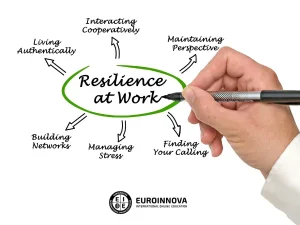
Working conditions are a fundamental factor that significantly influences the mental and physical health of people and the development of companies. We spend almost half of our lives interacting in the work environment and this has a direct impact on both our well-being and our productivity and satisfaction at work.
Adequate infrastructure, safety measures, a healthy work environment, opportunities for professional and personal development, as well as a positive organizational culture, are essential elements to guarantee optimal working conditions. Furthermore, taking care of these aspects not only benefits the employee but also contributes to the success and competitiveness of organizations.
Would you like to know more about current working conditions and how they have evolved? Keep reading!

What are the elements of the main working conditions that must be addressed?
In the current context, where the quality of life at work is increasingly valued, addressing and improving working conditions becomes a crucial aspect to attract and retain talent, encouraging innovation and promoting a work environment that drives growth both individuals as a collective.
To comply with this, efforts must be focused on the following aspects:
- Occupational health: promoting the physical and mental health of workers is essential. This includes access to medical services, active breaks, workplace ergonomics and comprehensive wellness programs.
- Working hours: establish reasonable and flexible schedules that allow a balance between personal and professional life, as well as respect for rest and vacation times.
- Fair compensation: Ensure competitive salaries and benefits commensurate with responsibilities and the labour market, as well as salary equity and transparency in compensation policies.
- Professional Development: Offer training, education and skills development opportunities for growth and progression within the company.
- Positive work environment: foster an organizational culture that promotes respect, collaboration, effective communication and teamwork.
- Work and family balance: provide policies that allow employees to manage their work and family responsibilities in a balanced manner, such as maternity/paternity leave, and flexible schedules, among others.
6 standards contemplated by the current regulation of working conditions in Spain
The regulations contemplated by the legal framework regarding working conditions are diverse and are governed by different laws. Below, we summarize the current regulations that govern working conditions.
- Working day: the law establishes a maximum duration of 40 hours of effective work per week, with a minimum rest of 12 hours between days. Additionally, after 6 hours of continuous work, a 15-minute break should be taken.
- Overtime: These are the hours that are worked above the ordinary working day. They are voluntary, unless agreed in a collective agreement, and are compensated in salary or by rest in the following 4 months.
- Paid leave: the law provides for paid leave for certain reasons, such as marriage, death or serious illness of relatives up to the second degree, transfer of residence, and time essential to fulfil an inexcusable, public and personal duty.
- Prevention of occupational risks: there are specific regulations regarding the prevention of occupational risks that seek to guarantee the safety and health of workers.
- Teleworking: after the pandemic, regulations were established that regulate remote work, balancing the advantages for companies and workers, and guaranteeing rights such as the voluntary and reversible nature of teleworking, equal treatment in professional conditions, and maximum work times and minimum rest periods.
- Temperature in workplaces: a Royal Decree-Law has been issued that includes a shock plan for energy savings and management in air conditioning of living spaces, including workplaces.
What are the consequences of poor working conditions?
Much has been said about the benefits, both for the staff and the company, that good working conditions offer, but what happens when the work environment does not offer the comfort needed to work safely, it is not fulfilled with employees’ professional development expectations or does conflict reign among teams? The consequences can be dire and it is essential to address them in time.
- Physical and mental health problems: Unsafe work environments, lack of occupational health measures and high levels of stress can trigger physical and mental illnesses in workers, such as injuries, fatigue, anxiety or depression.
- Lower productivity and work quality: Poor conditions can affect the concentration, motivation and efficiency of employees, which results in a decrease in the quality of work performed and the company’s overall productivity.
- Increased absenteeism and employee turnover: Employees may be absent more frequently due to work-related illnesses or a negative work environment.
- Labour conflicts and adverse organizational climate: dissatisfaction derived from poor working conditions can generate tensions between workers and the company’s management, resulting in a tense, demotivating and uncooperative work environment.
- Impact on the company’s reputation: poor working conditions can affect the company’s image and reputation.
You can also read about the following topics: