
In today’s business world, investing in the development and growth of employees is essential to maintaining competitiveness and long-term success. To achieve this, there are various strategies and approaches, two of the most prominent being coaching and mentoring.
At first glance, they might seem similar, but in reality, each has its own purpose, focus, and methodology. In this article, we will explore in depth the difference between coaching and mentoring in the context of Human Resources, focusing on how these two practices can boost employee development and contribute to the success of organizations.
What is coaching?
Coaching is a structured process designed to help employees achieve their professional and personal goals. It implies a temporary relationship between a coach, who is an expert in the area, and the coachee, who seeks to improve their skills and performance.
Coaching focuses on identifying and overcoming specific obstacles that prevent growth and goal achievement. Through regular conversations, the coach guides the coachee to discover their own solutions and develop an action plan with concrete steps.
What is mentoring?
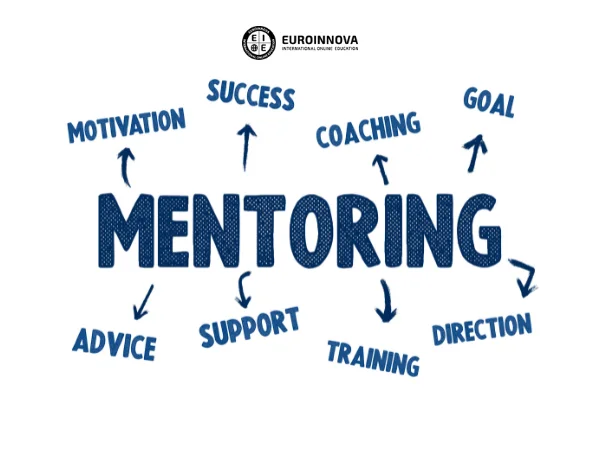
Mentoring, on the other hand, is a broader, long-term approach. In this case, a mentor with experience in the field works with a less experienced individual to guide her professional and personal development.
Unlike coaching, mentoring does not focus solely on specific goals but seeks to provide an overview of the path to success.
The mentor shares his knowledge, advice and experiences, allowing the mentee to learn and grow through practical examples and lessons learned.
Differences in approach
The main difference between coaching and mentoring lies in their approach. Coaching focuses on improving specific skills and performance to achieve specific goals. In contrast, mentoring covers a broader spectrum by providing holistic guidance and a long-term perspective.
Differences in goal
Another key distinction is found in the objectives pursued by each practice. Coaching is primarily aimed at improving current performance and achieving specific goals, such as developing leadership skills or improving communication. Mentoring, on the other hand, focuses on long-term growth and overall career development.
Differences in duration
Regarding the duration, coaching tends to be shorter and focused on the short term. It usually involves a temporary commitment to address specific challenges. On the other hand, mentoring is a continuous relationship that can extend over years, allowing for deeper and more sustained development over time.
Differences in methodology
The differences in the methodology between coaching and mentoring are also notable. In coaching, the coach uses powerful questions and active listening techniques to guide the coachee towards self-discovery and action. In mentoring, the mentor shares their own experiences and provides advice based on her career path, encouraging more contextualized learning.
Differences in specialization in the professional profile
In the field of Human Resources, the choice between coaching and mentoring may also depend on the professional profile of the individual. Coaching is particularly useful when looking to address specific challenges or gain technical skills. On the other hand, mentoring is valuable for the development of emerging leaders and professionals seeking more comprehensive growth in their careers.
Choose the discipline you need based on your needs
Ultimately, both coaching and mentoring play a vital role in developing employees and improving their performance in the business environment. Choosing between these two approaches depends on your goals, needs, and where you are in your career.
If you are looking to overcome specific obstacles and achieve concrete goals, coaching could be the right choice. On the other hand, if you are looking for deeper and more sustained growth, as well as guidance throughout your career, mentoring might be the best option.
In short, coaching and mentoring are two complementary but distinct approaches to employee development. Both play an essential role in the growth of individuals and teams within an organization.
By understanding the differences between these approaches, you can make informed decisions about how to invest in your own development and that of your employees.
If you want, you can also read about:
- Learn about the 4 English skills to prepare your certifications
- Working responsibly is possible if there is a strong company culture