
The education system in the Canary Islands presents unique characteristics shaped by its insular geography, diverse socioeconomic landscape, and high levels of immigration. These factors introduce challenges that set it apart from the rest of Spain, requiring adaptive strategies in curriculum development, inclusion policies, and equitable educational initiatives. The Canary Islands have embraced these challenges, implementing reforms to ensure every student receives a quality education, regardless of their background.
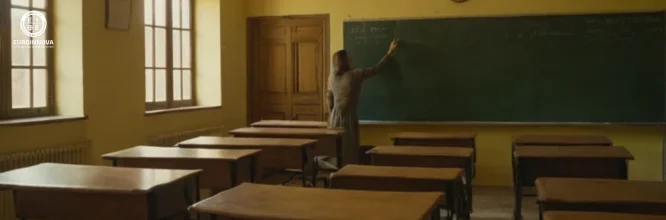
What makes the education system in the Canary Islands unique?
Unlike many regions, the Canary Islands face geographical and demographic complexities that demand innovative educational solutions. The regional government has prioritized inclusive education, adapting curricula and policies to meet the needs of a diverse student population. This approach focuses on reducing inequality, enhancing educational accessibility, and promoting a fair learning environment.
Education in the Canary Islands: achievements and challenges
It is a common misconception that all education systems function similarly. However, the Canary Islands exhibit unique trends, both positive and concerning. School dropout rates are higher than the national average, particularly in secondary education (ESO), posing a significant challenge that requires ongoing intervention. The School Council of the Canary Islands plays a crucial role in assessing these issues, publishing reports that propose actionable solutions.
Despite these challenges, certain indicators reflect progress. For instance, primary school repetition rates are lower compared to the national average. However, this trend reverses in secondary education, highlighting a critical gap in the transition process that demands attention and strategic reforms.
Investments and resources: The Achilles’ Heel
Financial resources remain a persistent issue in the Canary Islands’ education system. Per-student spending is below the national average, directly impacting infrastructure, teacher recruitment, and educational materials. Additionally, the aging workforce presents another challenge, with nearly 50% of teachers over the age of 50. To counteract this, the government has steadily increased the number of interim teaching staff, yet more long-term solutions are necessary.
El “silbo gomero”: Tradition and education in harmony
A distinctive aspect of education in the Canary Islands is the integration of El Silbo Gomero into the school curriculum. This whistled language, native to La Gomera, is now taught in primary and secondary education, reinforcing the region’s commitment to preserving cultural heritage while fostering linguistic diversity. This initiative highlights how education in the Canary Islands balances modernization with tradition, ensuring that historical legacies remain an integral part of learning.
Commitment to inclusion and diversity
The Canary Islands’ educational model prioritizes equity and inclusion through programs designed to bridge the gap between students of different socioeconomic backgrounds. These initiatives guarantee equal access to school meals, transportation, and special education services, ensuring that all students, regardless of their circumstances, receive the support they need.
Looking to the future
The future of education in the Canary Islands hinges on continued investment and long-term strategic planning. While significant strides have been made, further financial resources, policy improvements, and collaboration between administrations, educators, and families are necessary. The commitment to an inclusive, high-quality education system is evident, but sustained efforts will determine how effectively the region meets its educational goals.
You may be interested to read about…