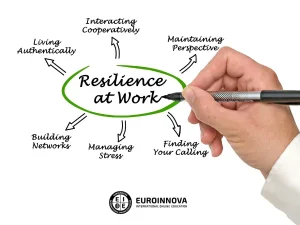
Training and Development Management: Cultivating Talent for Success
Training and Development Management is a strategic function within organizations that focuses on enhancing employee capabilities to meet current and future business objectives. It involves a systematic approach to identifying training needs, designing effective learning experiences, and measuring the impact of these programs on individual and organizational performance.

The Role of Training and Development Management
Training and Development Management encompasses a broad spectrum of activities aimed at improving employee performance and organizational effectiveness. This includes employee training and development programs designed to equip employees with the necessary skills and knowledge to excel in their roles. It also involves the cultivation of soft skills such as communication, leadership, and problem-solving, which are essential for career advancement.
The Training and Development Management Process
Effective training and development management follows a structured process. Typically, it involves the following key steps:
- Needs Assessment: Identifying the skills and knowledge gaps within the organization.
- Learning Objectives: Defining clear and measurable outcomes for the training program.
- Training Design: Developing appropriate training methods, materials, and delivery formats.
- Implementation: Delivering the training program to target participants.
- Evaluation: Assessing the effectiveness of the training program in achieving its objectives.
The Importance of Training and Development
Investing in employee training and development is crucial for several reasons. Firstly, it enhances employee performance and job satisfaction, leading to increased productivity and reduced turnover. Secondly, it fosters a culture of learning and growth, attracting and retaining top talent. Thirdly, it helps organizations adapt to changing business environments and emerging technologies.
Training and Development Management Trends
The field of training and development is constantly evolving in response to technological advancements, changing workforce demographics, and economic shifts. Some of the current trends include:
- E-learning and Online Training: Leveraging technology to deliver flexible and accessible training solutions.
- Microlearning: Providing short, focused learning modules to address specific knowledge gaps.
- Performance Management: Integrating training and development with performance appraisal systems.
- Talent Management: Aligning training and development efforts with overall talent strategies.
The Training and Development Management Team
Successful training and development initiatives require a dedicated team of professionals. Training and development specialists play a critical role in designing, developing, and delivering training programs. They collaborate with instructional designers to create engaging and effective learning experiences. Additionally, the support of human resource management is essential for aligning training initiatives with organizational goals.
Challenges in Training and Development Management
Despite its importance, training and development management faces several challenges. One common issue is measuring the return on investment (ROI) of training programs. Demonstrating the tangible benefits of training can be difficult, but it is essential for securing ongoing support and resources. Another challenge is keeping training content up-to-date with the rapidly changing business landscape.
Training and Development Management is a strategic function that plays a vital role in organizational success. By investing in employee development, organizations can build a high-performing workforce, enhance innovation, and improve overall competitiveness.
To maximize the impact of training and development programs, organizations should focus on align training initiatives with business objectives, measure outcomes effectively, and leveraging technology to deliver engaging and effective learning experiences. Additionally, fostering a culture of continuous learning and development is essential for creating a high-performance workplace.
By prioritizing training and development, organizations can unlock the full potential of their employees and achieve long-term success.
Measuring the Impact of Training and Development
A critical aspect of Training and Development Management is measuring the effectiveness of programs. This involves collecting data on training outcomes and analyzing it to determine the return on investment (ROI). Key metrics include:
- Training Completion Rates: Tracking the percentage of employees who complete training programs.
- Knowledge Retention: Assessing how well employees retain information learned in training.
- Performance Improvement: Measuring changes in employee performance after completing training.
- Employee Satisfaction: Evaluating employee satisfaction with training programs.
- Business Impact: Analyzing the impact of training on organizational performance, such as increased productivity, reduced errors, or improved customer satisfaction.
By carefully tracking these metrics, organizations can identify successful training programs and make data-driven decisions to optimize their training initiatives. Additionally, regular evaluation helps to ensure that training programs remain aligned with business objectives and employee needs.
It’s important to note that measuring the impact of training can be challenging. However, with careful planning and the use of appropriate evaluation methods, organizations can gain valuable insights into the effectiveness of their training efforts.
Effective Training and Development Management is essential for organizations seeking to thrive in today’s competitive landscape. By investing in employee growth and development, companies can build a skilled and engaged workforce capable of driving innovation and achieving strategic goals.
To maximize the impact of training and development initiatives, organizations should prioritize continuous learning and development, aligning training programs with business objectives, and measuring outcomes effectively. Additionally, fostering a culture of learning and development is crucial for creating a high-performance workplace.
It is recommended that organizations:
- Conduct regular needs assessments to identify skill gaps and training priorities.
- Develop a comprehensive training and development strategy aligned with the organization’s overall goals.
- Utilize a variety of training methods to cater to different learning styles and preferences.
- Leverage technology to deliver engaging and accessible learning experiences.
- Measure the impact of training programs to demonstrate ROI and inform future initiatives.
- Provide opportunities for employees to share their knowledge and expertise through mentoring and coaching.
- Encourage employee participation in professional development activities.
By implementing these recommendations, organizations can create a culture of continuous improvement and build a workforce equipped to meet future challenges and opportunities.