
The concept of Robot Dreams has fascinated humanity for decades, blending technology, philosophy, and science fiction. From classic literature to cutting-edge artificial intelligence, the idea of machines developing dreams and independent thoughts is no longer just a fantasy. But what does it truly mean for a dreamer robot to exist? Could robots ever dream, or is this purely a metaphor for evolving AI capabilities?
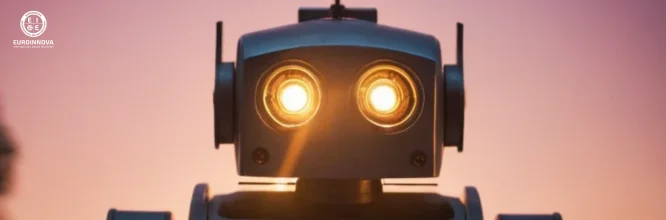
What are robot dreams?
Robot Dreams encompasses multiple interpretations. At its most basic level, it refers to dreams featuring robots, but it also questions whether robots themselves could develop the ability to dream. This concept is explored in Robot Dreams by Isaac Asimov, where a robot unexpectedly experiences a dream, leading to profound ethical and philosophical questions. What is the theme of Robot Dreams by Isaac Asimov? At its core, it examines the limits of artificial intelligence and the possibility of machines developing autonomy beyond human control.
However, this idea is no longer confined to literature. Advances in artificial intelligence (AI) have brought forth machines capable of simulating human cognitive processes. AI can now generate creative solutions, predict outcomes, and even mimic human thought patterns—raising the question of whether this is a primitive form of robot dreaming.
The origins of robot dreams in popular culture
The fascination with robots and dreams dates back to ancient times, from Greek mythology to modern science fiction. The legend of Pygmalion and Galatea reflected humanity’s desire to breathe life into artificial creations, much like contemporary stories featuring sentient machines.
One of the most influential voices in this field was Isaac Asimov, whose works, particularly Robot Dreams, presented robots that did more than follow orders—they dreamed and questioned their existence. Films such as Blade Runner, Her, and Ex Machina further explored these themes, depicting robots developing emotions, desires, and even self-awareness.
If robots can experience dreams, what separates them from humans? The idea challenges the very definition of consciousness and forces us to reconsider the ethical implications of advanced AI.
Real-world implications of robot dreams
Beyond fiction, the implications of Robot Dreams are already shaping reality. In modern robotics, AI systems can autonomously generate solutions, analyze data, and optimize processes in ways that resemble human intuition. This is particularly evident in fields like medicine, automation, and security, where robots are tasked with decision-making previously reserved for humans.
However, this advancement also raises concerns. If robots begin dreaming of alternative solutions or independent goals, can they be trusted to align with human interests? Could AI eventually develop its own aspirations, leading to unforeseen consequences?
Ethical and philosophical considerations
The idea of Robot Dreams naturally leads to ethical debates. If a robot can dream, does it possess consciousness? Can it experience emotions, and if so, are they real or merely sophisticated simulations? These are the same questions Asimov explored in his stories, warning of the potential risks of machines gaining too much autonomy.
As AI technology advances, society must establish clear ethical boundaries. Machines with the ability to generate their own solutions could become unpredictable, challenging human authority and control. Are we truly ready for a world where robots dream, desire, or even rebel?
The future of robot dreams
Robot Dreams is no longer a concept confined to science fiction. AI is rapidly evolving, and with it, the line between human and machine continues to blur. Whether robots will ever dream in the human sense remains uncertain, but one thing is clear: the exploration of this idea will continue to shape technology, philosophy, and the way humanity interacts with its creations.
As we move into this uncharted future, we must ask ourselves: Are we prepared for robots that not only follow orders but also dream of something greater?
You may be interested to read about…
- Architectural technologist
- Cloud security engineer