
Did you know that your tax return goes through seven phases? Yes, and to carry out this procedure, it is necessary to verify the tax information that taxpayers provide with their returns. In this post, we want to inform you what each of the seven tax return statements consists of and how important it is that you know them for future reviews or claims.
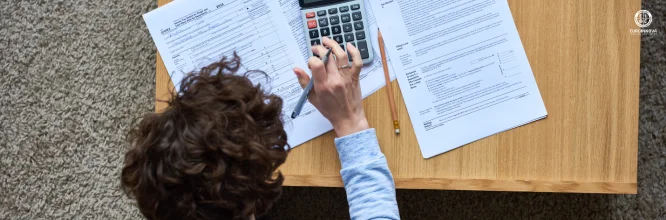
Know the 7 states of the income tax return
As you know, the income tax return is filed annually to report on taxpayers’ income and tax obligations in the country. Below, we explain the key steps that taxpayers must follow when submitting their income tax return in Spain.
In process
In this phase, taxpayers gather all the relevant information about their income, deductions and expenses that they must include in their income tax return.
Checking the draft
Taxpayers can access the program or platform provided by the Spanish Tax Agency (Treasury) to complete their income tax returns. This can be done online or in person at the Treasury offices.
Check the amount
At this stage, all financial data is entered and the tax debt or possible refund is calculated. Taxpayers must follow the indicated steps to complete their return correctly.
Your declaration has been processed
After reviewing and confirming that the return is accurate, taxpayers submit their return to the Treasury. They can choose to submit it online or in person at a Treasury office.
Your return is being verified
The Treasury may carry out reviews and checks to verify the accuracy of the return and, if necessary, request additional documents or make adjustments.
Not compliant
The Treasury may carry out reviews and checks to verify the accuracy of the return and, if necessary, request additional documents or make adjustments. If the declaration results in a debt, the taxpayer must make the corresponding payment. If you are entitled to a refund, the Treasury will process the return.
Return issued
Once the declaration has been processed, the income tax return process for the corresponding tax year is closed.
How to check the status of your income tax return?
Although deadlines and procedures may change from year to year, generally, these are the steps you should follow if you want to track the status of your return:
Access to the Tax Agency (AEAT) website: access the website of the State Tax Administration Agency (AEAT) of Spain. You can do it from your favourite web browser.
Identification: You must log in to the portal with your credentials. To do this, you will need your NIF/NIE number and a password or digital certificate. If you don’t have an account, you can register on the same portal.
Consultation of tax data: once inside the portal, look for the “Tax data” or “Consult declaration” section and select the corresponding fiscal year.
Status viewing: in this section, you can see the status of your tax return. If you have already submitted the return, it will show if it is “In processing”, “Verified”, “Returned” or another condition. You will also be able to see if there are any notifications or requirements.
Downloading documents: on this same platform, you can download the documents related to your return, such as the draft, the submitted return and the payment or return documents.
Communications and notifications: in addition to checking the status, it is important to review any communications or notifications that may be in your account, since the Treasury may request additional information or notify you of changes to your return.
You may be interested in reading about…